Collection 1
*Primordial Condensation*
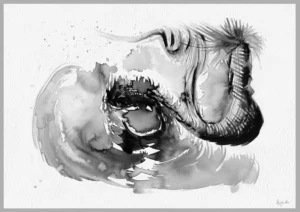
– First Breath –
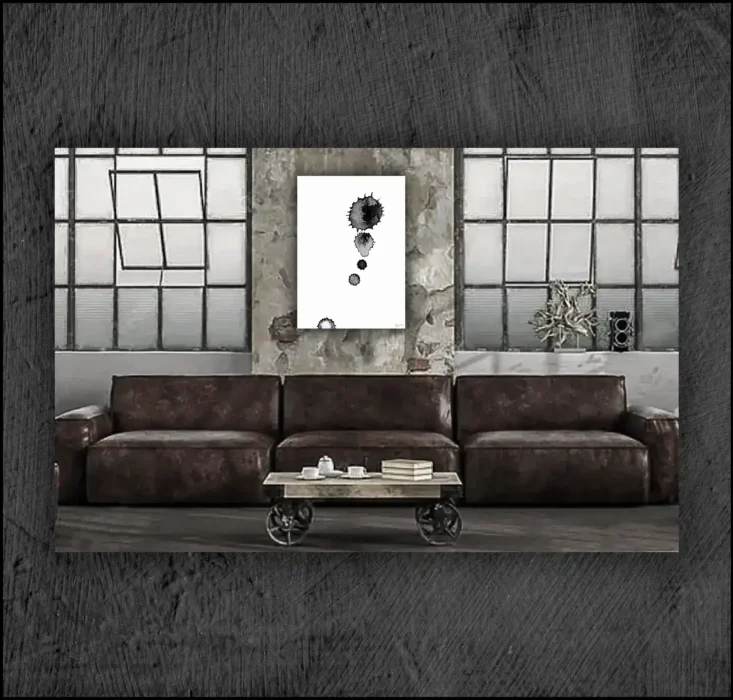
Collection 3
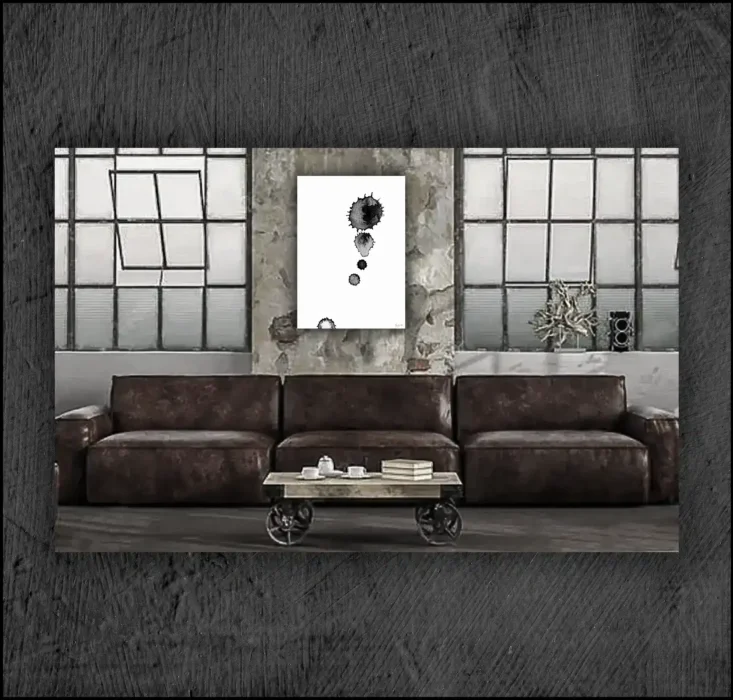
*Proto Life*
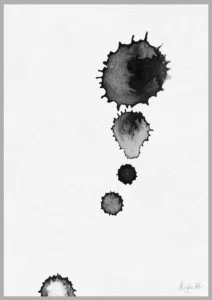
– Droplet Sequence –
Collection 5
*Organic Growth*
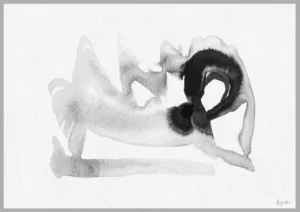
– Reclining Current –
Collection 7
*Symbolic Emergence*
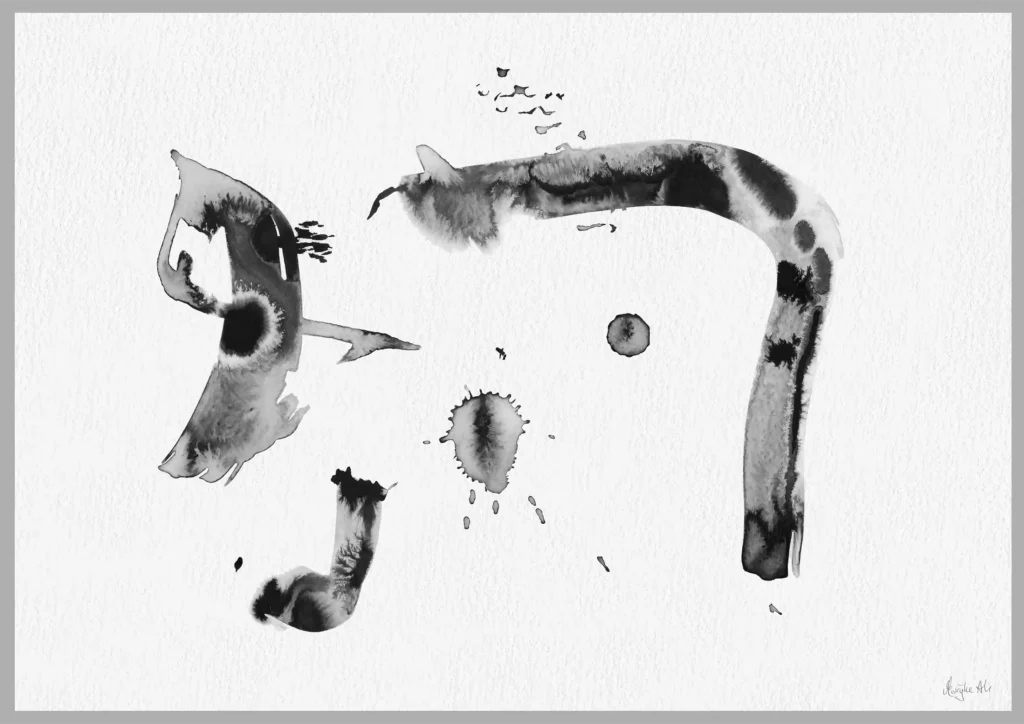
– Gesture of Thought –
“The Ten Thousand Gestures”
Limited Editions
A1 – Limited Edition of 25
59.4 x 84.1 cm – 23.4 x 33.1 inches
A3 – Limited Editions of 35
29.7 x 42 cm – 11.69 x 16.54 inches
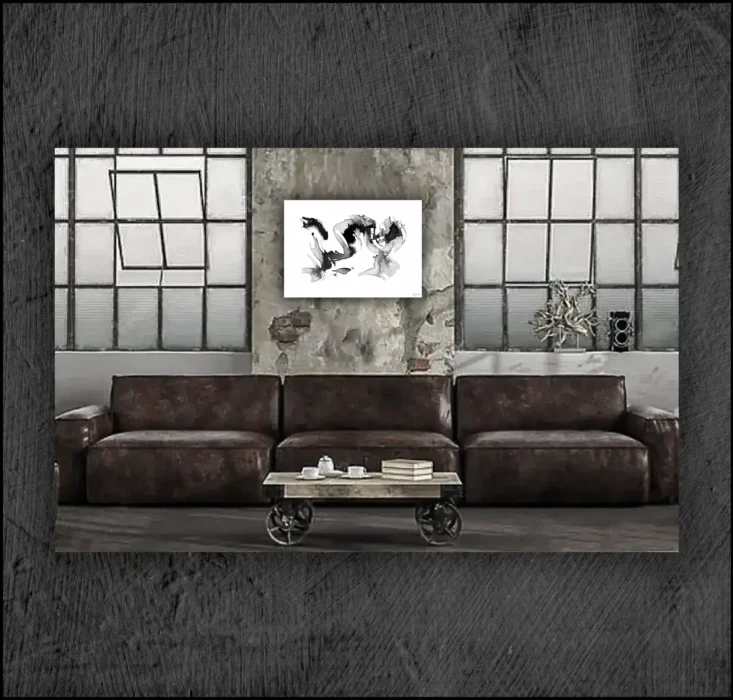
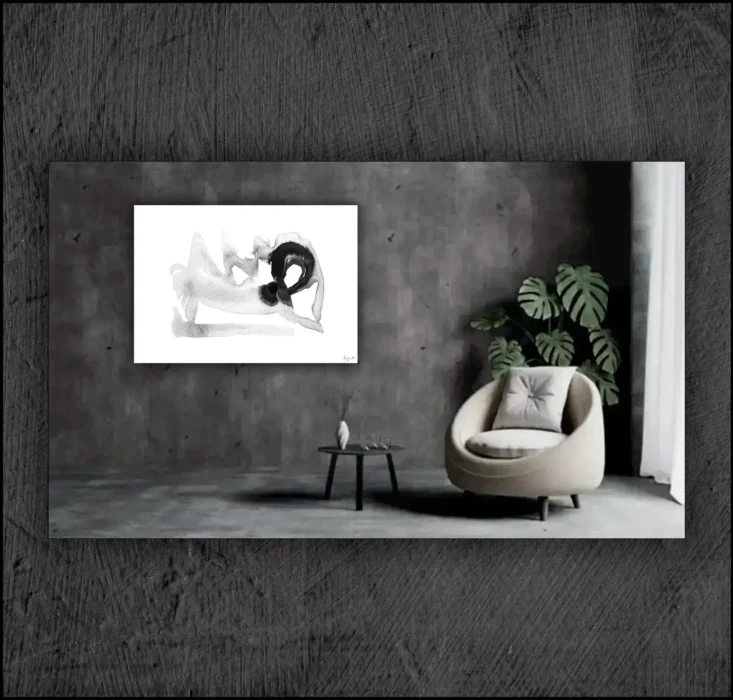
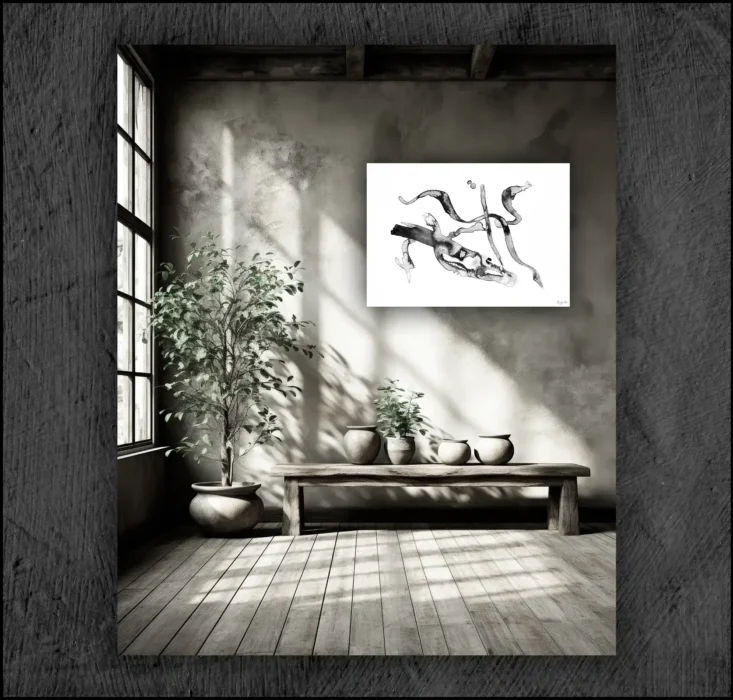
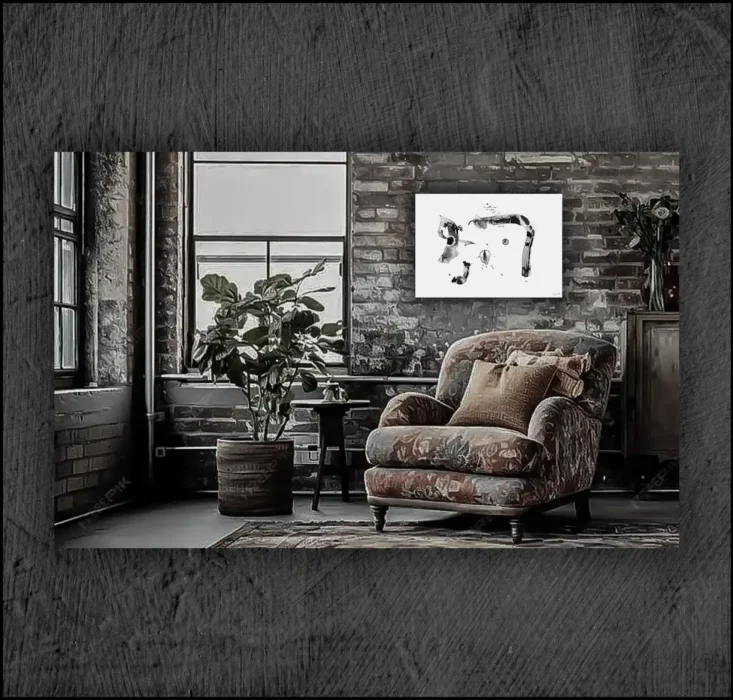
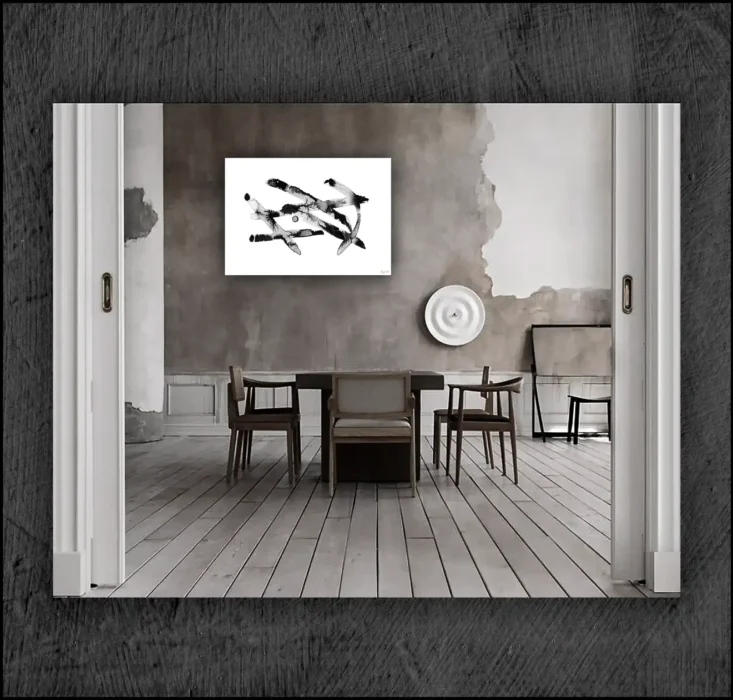
…The process is less about making pictures than about allowing structures to appear. Ink, water, gravity, absorption, and motion interact on the paper, producing forms that are neither planned nor accidental. They arise from the dynamics of the materials and the moment. In this sense the works are records of events—brief traces of energy organizing itself.
Meaning is not assigned beforehand. It is discovered afterwards, by the eye that encounters the finished mark. Each piece therefore remains open: a field where gestures, densities, and voids suggest different readings.
These paintings are not illustrations of ideas but moments of emergence—instances where movement briefly becomes form, and form dissolves again into the quiet space from which it arose.
Collection 2
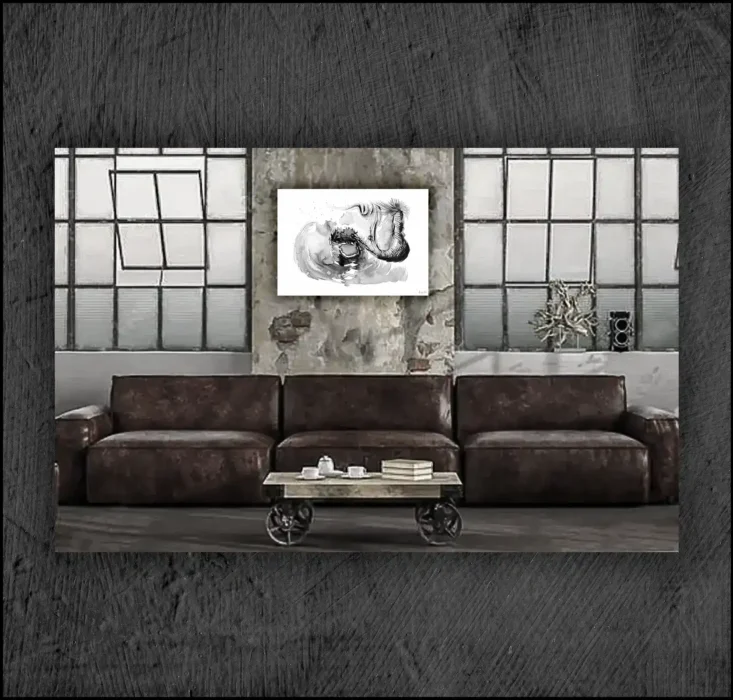
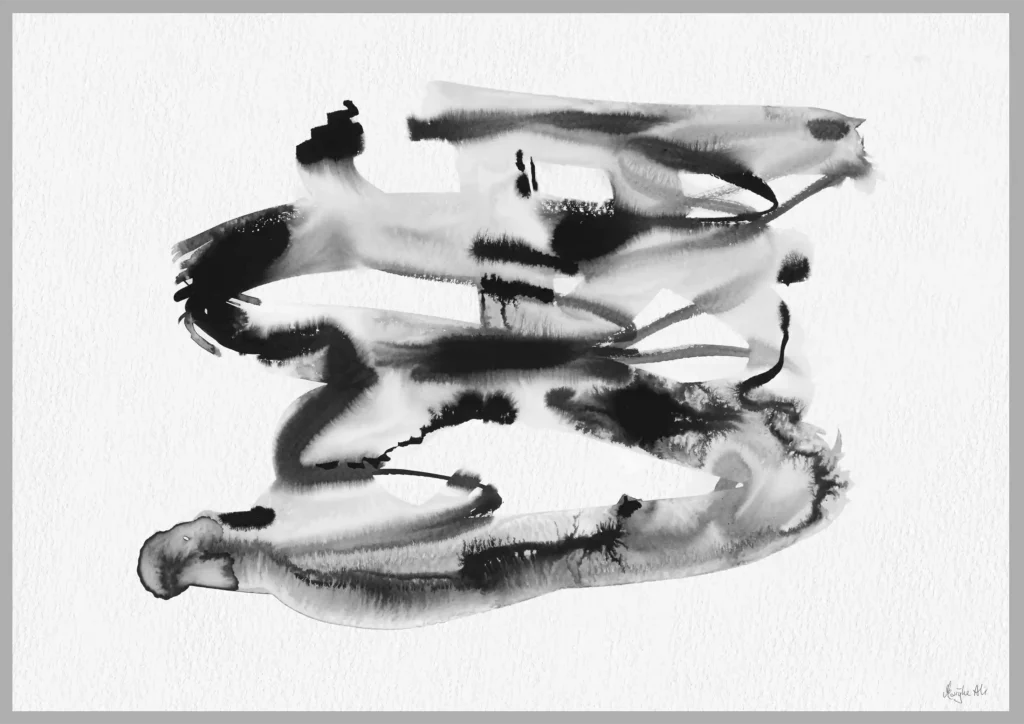
*Turbulence and Motion*
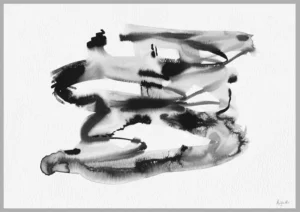
– Currents –
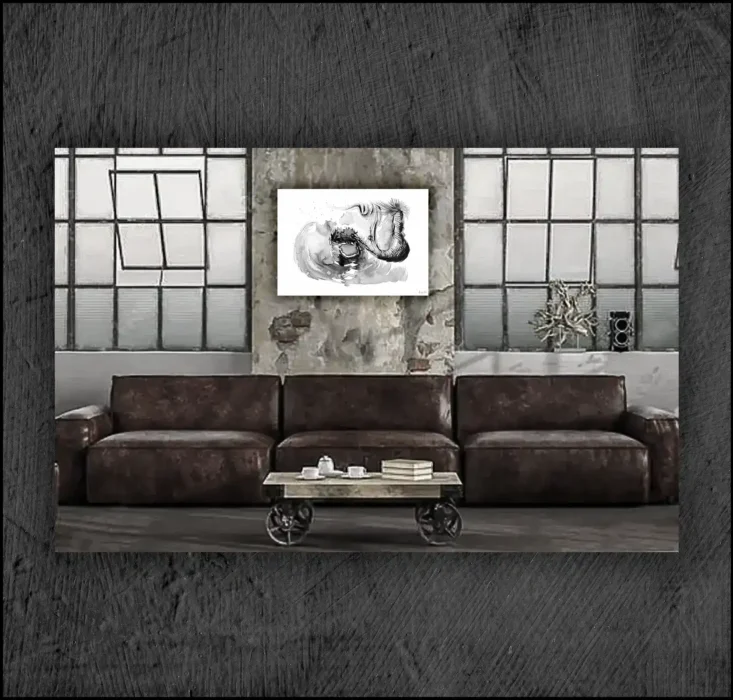
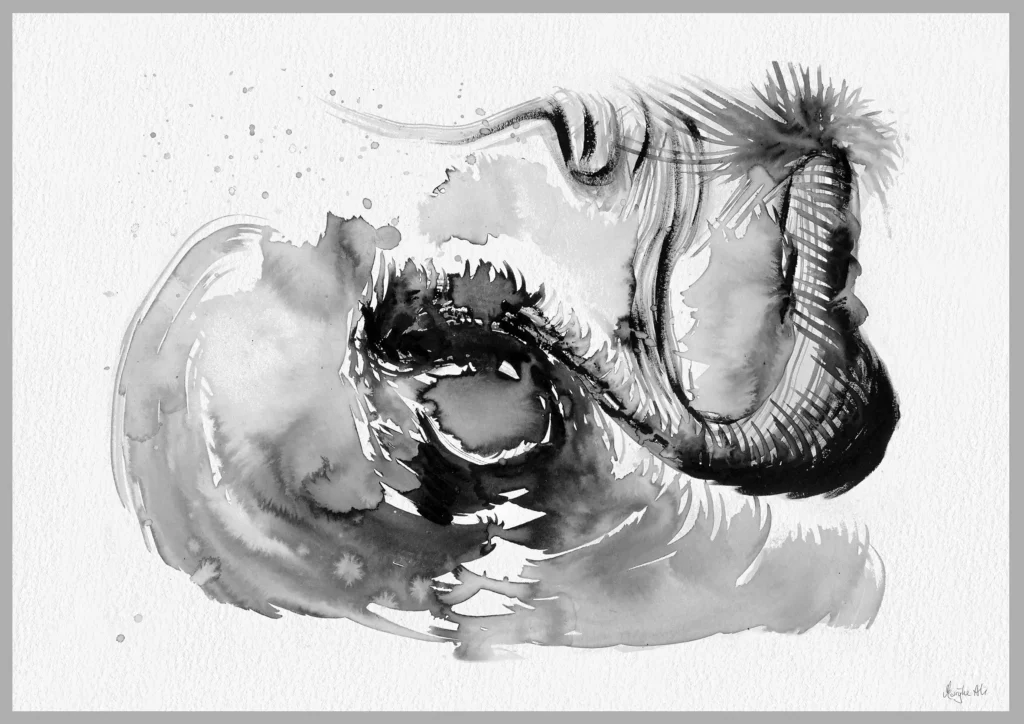
Collection 4
*Habitat and Structure*
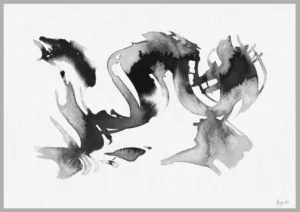
– The Encounter –
Collection 6
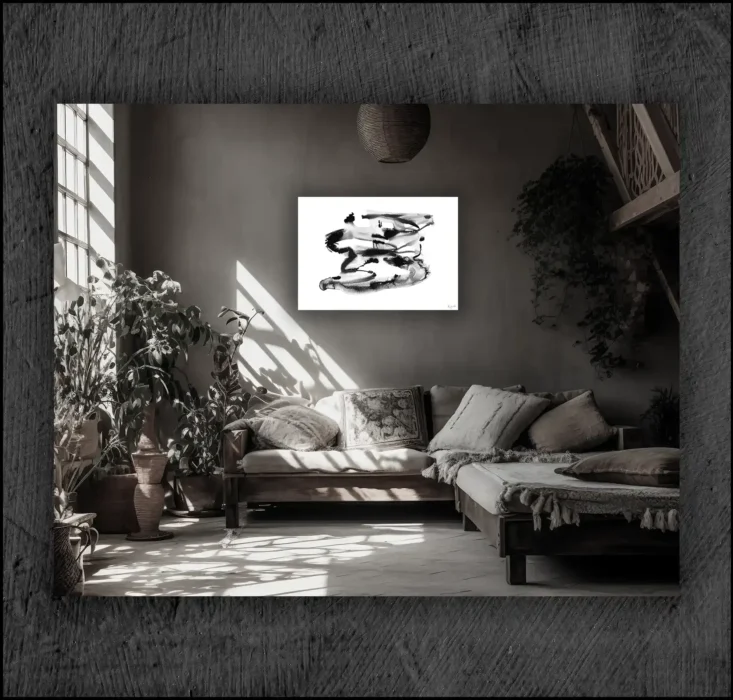
*Interaction*
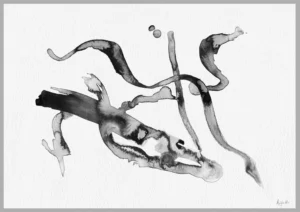
– Serpentine Exchange –
Collection 8
*Return to the Whole*
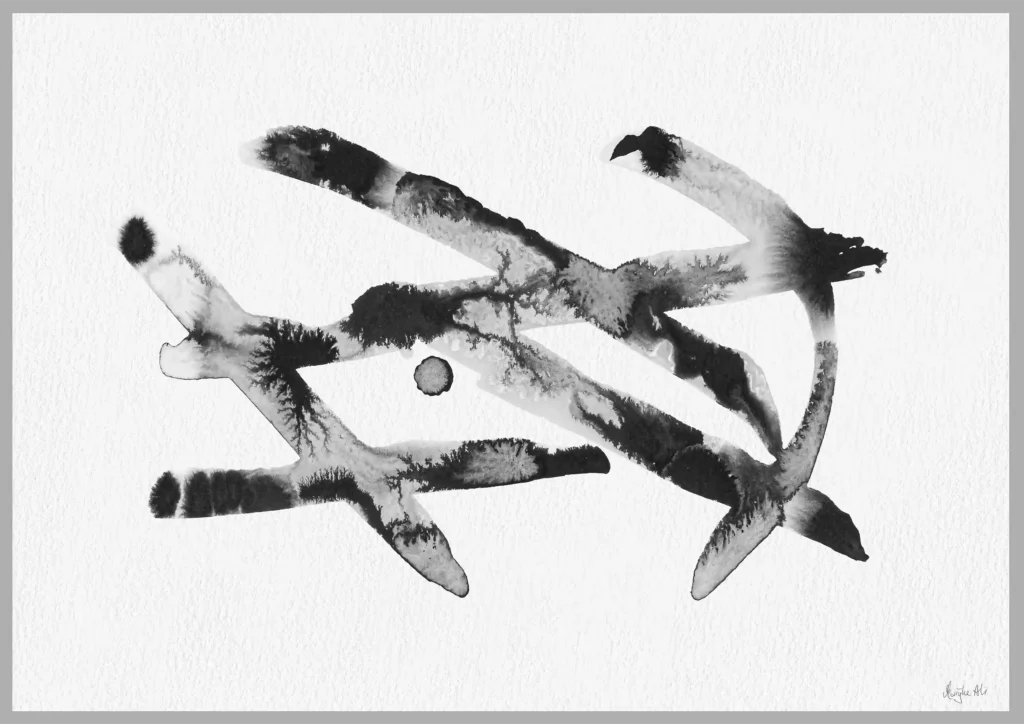
– Vector Dance –
Collection 2
*Turbulence and Motion*
– Currents –
…The process is less about making pictures than about allowing structures to appear. Ink, water, gravity, absorption, and motion interact on the paper, producing forms that are neither planned nor accidental. They arise from the dynamics of the materials and the moment. In this sense the works are records of events—brief traces of energy organizing itself.
Collection 3
*Proto Life*
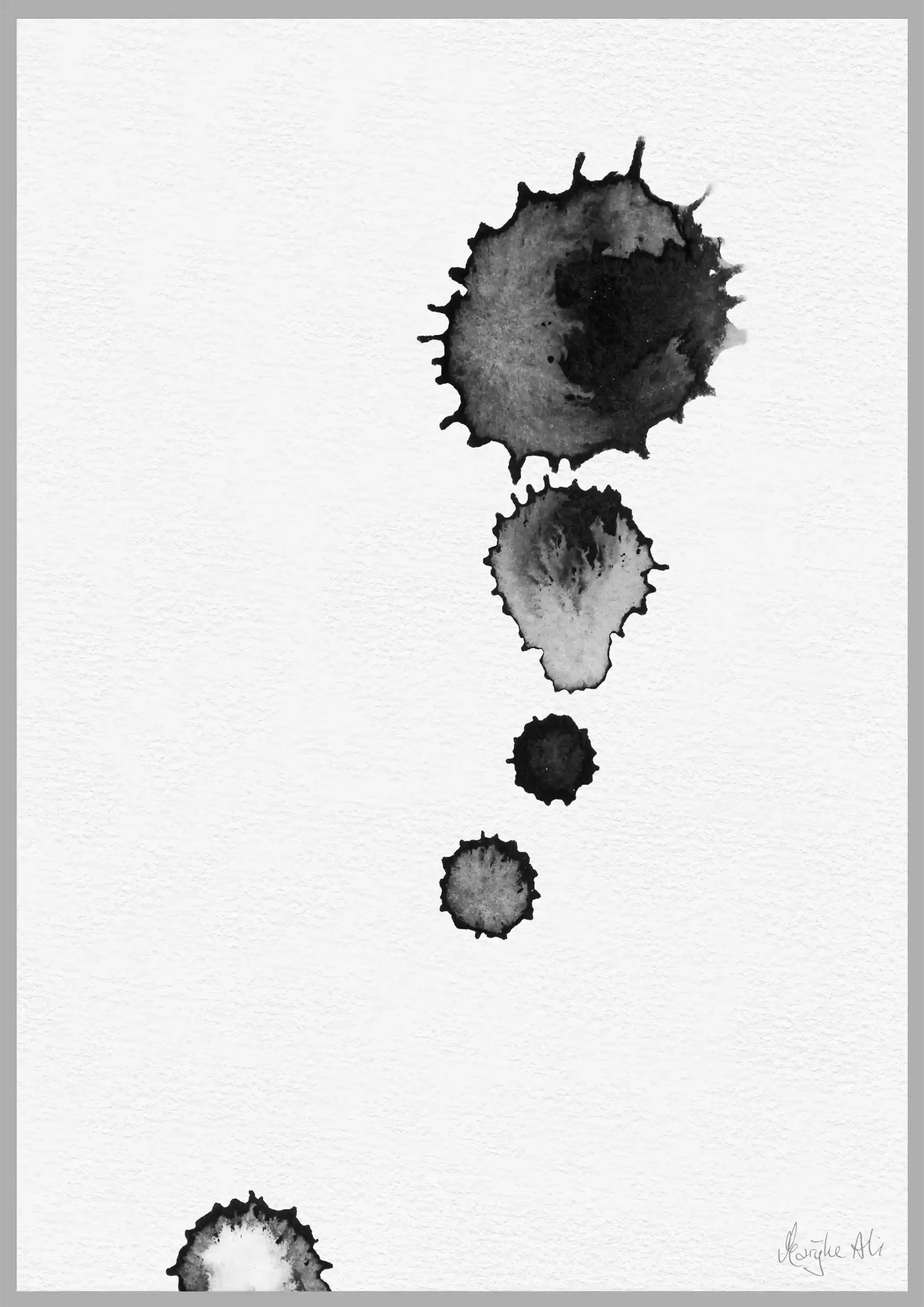
– Droplet Sequence –
Collection 4
*Habitat and Structure*

– The Encounter –
Meaning is not assigned beforehand. It is discovered afterwards, by the eye that encounters the finished mark. Each piece therefore remains open: a field where gestures, densities, and voids suggest different readings.
Collection 5
*Organic Growth*
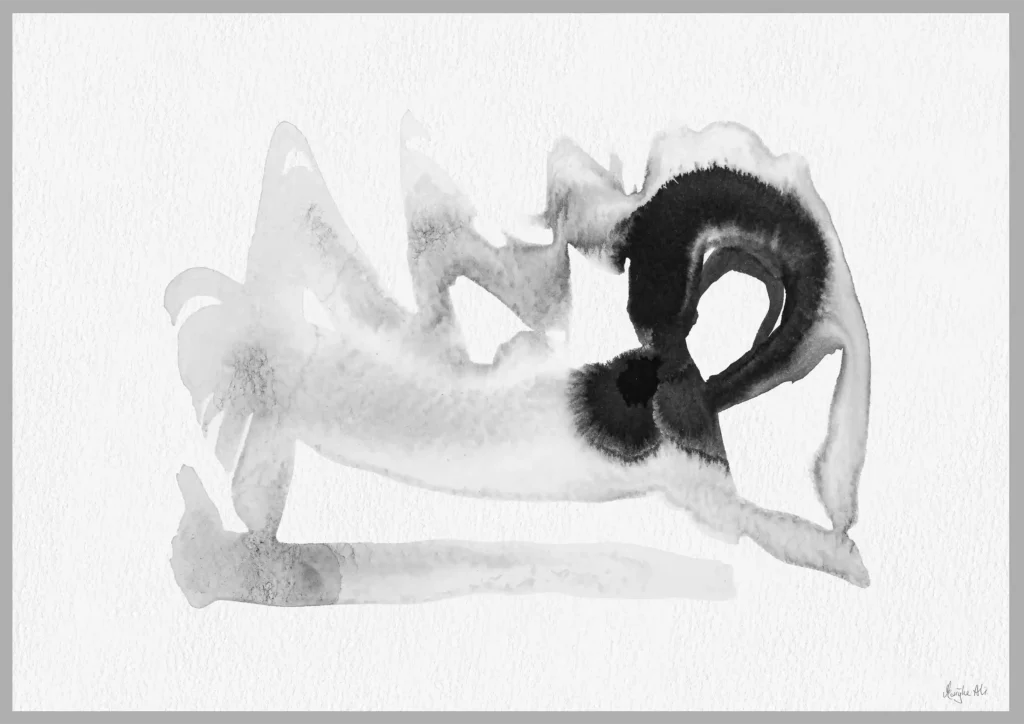
– Reclining Current –
Collection 6
*Interaction*
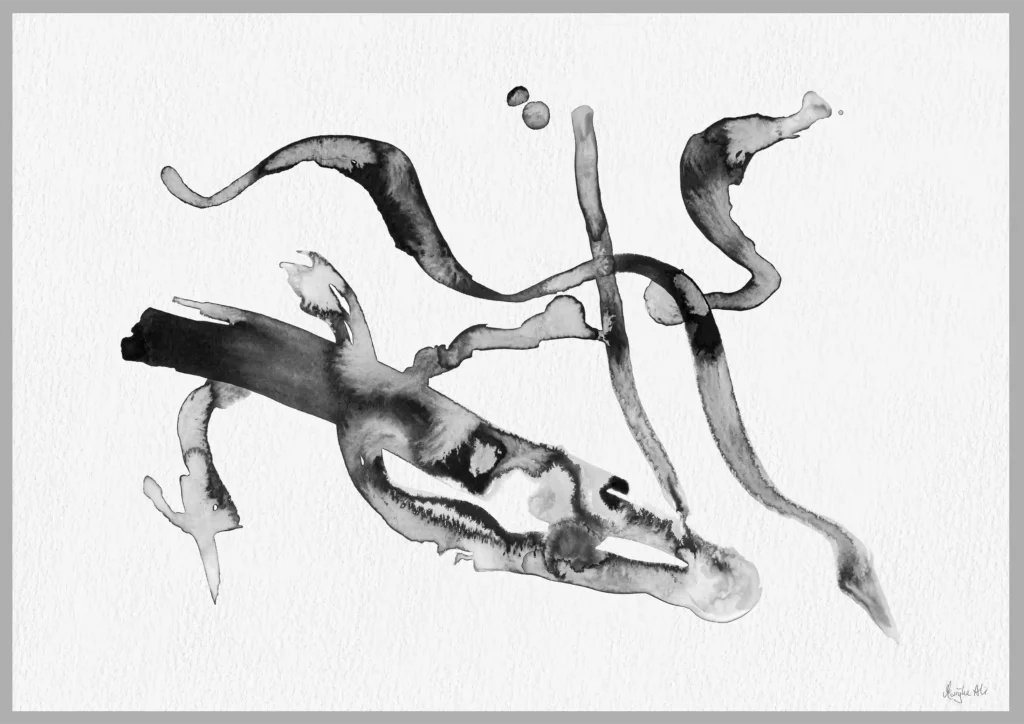
– Serpentine Exchange –
Collection 7
*Symbolic Emergence*
– Gesture of Thought –
Collection 2
*Return to the Whole*
– Vector Dance –
“The Ten Thousand Gestures”
These paintings
are not illustrations of ideas
but moments of emergence – instances
where movement briefly becomes form,
and form dissolves again
into the quiet space
from which it arose.